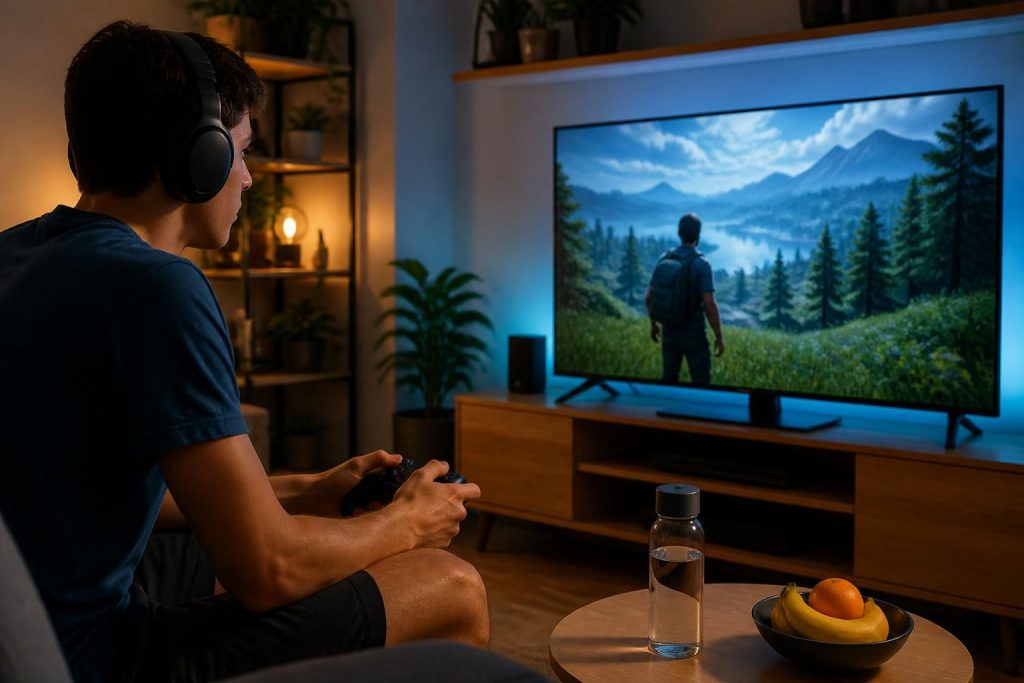
Healthy gaming habits and screen time play a crucial role in ensuring that the joy of gaming does not come at the expense of physical and mental well-being. As gaming becomes increasingly popular across various platforms, from mobile devices to consoles, it is essential to examine how to balance enjoyment with a healthy lifestyle. This article explores the importance of setting boundaries, integrating physical activity, and being mindful of screen time, providing practical tips for gamers to enhance their experiences without compromising their health.
Setting Boundaries: The Importance of Time Management
One of the first steps toward fostering healthy gaming habits is establishing clear boundaries on screen time. This can involve setting specific gaming hours to prevent excessive play. The American Academy of Pediatrics recommends that children and teenagers should limit screen time to no more than two hours a day, but this principle can be beneficial for adults as well. Setting a timer or using apps that track gaming duration can help ensure that individuals are aware of how much time they are spending in front of screens.
Moreover, it is essential to prioritize breaks during gaming sessions. Taking short breaks every hour to stretch, hydrate, or engage in another activity allows for a mental reset. This not only helps to reduce fatigue but also promotes a healthier relationship with gaming overall. Remember, it’s not just about limiting hours; it’s about creating a sustainable gaming lifestyle that can be enjoyed without negative repercussions.
Incorporating Physical Activity into Your Gaming Routine
Another effective strategy for maintaining healthy gaming habits and screen time is to intertwine physical activity with gaming. This can take many forms, from standing while playing to engaging in active games that require movement, such as those available on platforms like Nintendo Switch or VR systems. Incorporating movement into gaming can significantly combat the sedentary lifestyle often associated with prolonged screen time.
Additionally, players can schedule regular exercise outside of gaming hours. Activities such as walking, jogging, attending fitness classes, or even participating in esports related to physical gaming can contribute to better health. Gamers can encourage each other by setting up challenges that include physical tasks alongside video game achievements. This creates a community aspect that enhances both physical and mental wellness.
Mindfulness and Mental Health Considerations
Being aware of one’s emotional and mental state while gaming is an integral part of cultivating healthy gaming habits. Gamers should take note of how their gaming experiences affect their mood and overall mental well-being. If gaming begins to feel overwhelming or leads to feelings of anxiety or stress, it may be time to reassess gaming habits.
Practicing mindfulness can help gamers maintain a healthy balance. Techniques such as deep breathing or meditation before or after gaming sessions can foster a sense of calm and clarity. Moreover, engaging in discussions about gaming topics, such as the latest trends in https://stakeobet.com/ or sharing game experiences with friends, can provide social support and reduce feelings of isolation that sometimes accompany long gaming sessions. For more on this topic, see bitcoin sports betting sites.
The Role of Sleep in Gaming Health
Quality sleep is often overlooked but is essential for maintaining healthy gaming habits and screen time management. Many gamers may find themselves playing late into the night, leading to insufficient rest, which can impair cognitive functions and overall health. Research indicates that adults require approximately 7 to 9 hours of sleep per night for optimal health. Therefore, implementing a nightly routine that promotes better sleep hygiene should be a priority for gamers.
Strategies such as limiting screen exposure an hour before bed, creating a relaxing environment conducive to sleep, and sticking to a consistent sleep schedule can help improve rest quality. When gamers prioritize sleep, they often find that their performance improves, leading to more enjoyable gaming experiences and better physical health outcomes.
Creating a Supportive Gaming Environment
Establishing a healthy gaming environment can significantly influence gaming habits. This includes ergonomically designed gaming chairs, desks at the right height, and adequate lighting to reduce eye strain. Additionally, creating a space that encourages breaks, such as having a comfortable area for relaxation away from the screen, can foster healthier habits.
Furthermore, having an accountability partner can encourage healthier gaming practices. Whether it’s a friend who plays the same games or a family member, discussing goals and sharing achievements can motivate individuals to maintain balance. Engaging in group gaming sessions that emphasize teamwork, rather than extended solo play, can also help maintain social connections while promoting healthier habits.
In a world where gaming is continually evolving, integrating healthy practices into the experience is essential. By focusing on boundaries, physical activity, mental well-being, sleep, and a supportive environment, gamers can enhance their enjoyment while prioritizing health. As the gaming community continues to grow, embracing healthy gaming habits and screen time management is vital for fostering a sustainable relationship with technology.
In summary, healthy gaming habits and screen time management are crucial for all players who wish to enjoy their favorite pastime without compromising their well-being. By following the strategies outlined above, gamers can create a balanced approach that not only enhances their gaming experiences but also promotes a healthier lifestyle overall.